
Comprehensive Analysis of the Pros and Cons of Debt Consolidation
Grasping Debt Consolidation: Its Benefits and Drawbacks

Dealing with debt often feels like a never-ending marathon. Every month brings another set of bills—credit cards, personal loans, mortgages—and just when you think you’re making progress, rising interest rates push you backward again. If this sounds familiar, you’re far from alone.
Debt consolidation can offer a possible way out of this cycle. But is it the best choice for your situation? Let’s weigh the pros and cons to help you decide.
What Exactly Is Debt Consolidation?
Debt consolidation means taking out a new loan to pay off all your current debts in one go.
Rather than dealing with several creditors, different repayment schedules, and a variety of interest rates, you’ll make just a single monthly payment—usually a set amount and often with a lower interest rate. This approach aims to simplify your finances and ideally reduce the total interest you pay.
Benefits of Using Debt Consolidation
With a clear understanding of what debt consolidation entails, it’s important to explore its benefits so you can make an informed decision. Here’s a rundown of the main advantages.
1. Simplified Payment Process
Keeping track of multiple bills can be stressful and increases the risk of missed payments. Debt consolidation reduces this burden by combining your debts into a single monthly payment, making budgeting simpler and helping you avoid late charges.
2. Reduced Interest Charges
Credit card balances often come with high interest rates. Consolidating allows you to replace these expensive debts with a loan that offers lower rates, which can save you money over the long term.
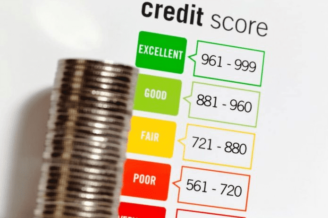
3. Improved Credit Score
Clearing overdue accounts and consistently making payments on time can raise your credit rating. A higher credit score opens doors to better financial options down the road.
4. Alleviated Financial Pressure
Having just a single payment to manage can bring significant relief. This simplicity can reduce the burden of debt and help you concentrate better on your financial goals.
Disadvantages of debt consolidation
Although debt consolidation offers benefits, it also comes with drawbacks. To help you weigh your options, we’ve outlined the key disadvantages below.
1. Continued risk of accumulating debt
For example, if you consolidate your credit card balances but continue to use those cards irresponsibly, you might accumulate new debt. Although consolidation solves the immediate problem, maintaining discipline is crucial to avoid repeating past mistakes.
2. Additional costs
Some consolidation loans include charges such as origination fees or penalties for early repayment. These extra costs can reduce the overall savings, so it’s essential to review all terms carefully before committing.
3. Longer repayment timelines
Even if your monthly installment decreases, extending the loan duration might lead to higher total interest costs. It’s important to focus on the full repayment amount rather than just the monthly payment.
4. Fails to address the root cause
Although consolidation makes managing payments easier, it doesn’t resolve the habits that created the debt. If impulsive spending or poor budgeting are factors, changing those behaviors is essential to avoid future financial trouble.
Is debt consolidation a good fit for you?
Before moving forward with consolidation, carefully evaluate your financial health. Consider these questions:
- How much total debt do I have? If it’s manageable or can be paid off soon, consolidation might not be necessary;
- What interest rates am I paying now? If consolidation offers a much lower rate, it could be worthwhile;
- Am I disciplined enough? If you’re ready to avoid new debt, consolidation can support your financial recovery.
Closing Thoughts
Debt consolidation can be a powerful tool for simplifying payments and reducing interest costs, but it’s not a magic fix. Success requires commitment and careful financial discipline. When approached wisely, it can help you regain control and move toward a more secure financial future.
Remember, your success depends on changing spending patterns and developing a clear plan. With the right knowledge, you’ll be better prepared to make smart financial decisions going forward.
Related Content
Pequeno resumo do post recomendado
I want to learn more * You will remain on the current website