
Explore effective tips to elevate your credit score with these smart strategies
Proven Methods to Improve Your Credit Score
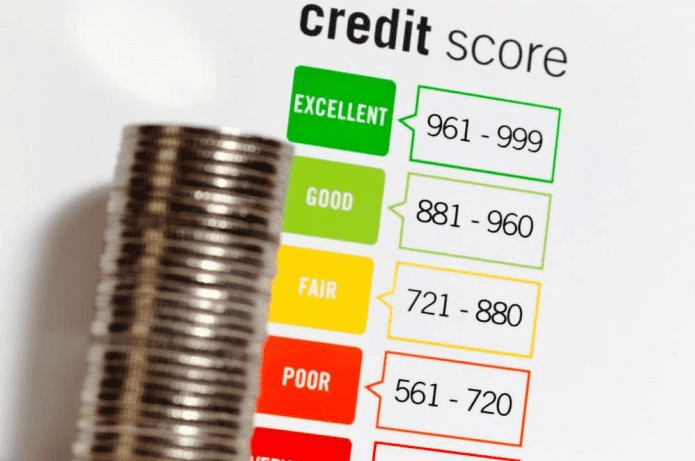
Your credit rating plays a major role in your ability to get loans, credit cards, and even rental agreements. If you’re looking for effective ways to raise your score quickly, you’re not alone.
Many people find it difficult to boost their credit scores enough to qualify for better financing and lower interest rates. Below are some simple, actionable suggestions to help you raise your credit score efficiently.
1. Check Your Credit Report Thoroughly
The first move to improve your credit score is to carefully review your credit report. Many people don’t realize that errors on their report can negatively impact their score.
If you find mistakes, such as accounts marked overdue that you’ve already paid, you have the right to dispute these errors.
Luckily, you’re entitled to one free credit report per year from each of the three main credit bureaus. You can access these reports online at Equifax, Experian, and TransUnion.
Correcting any errors on your credit report can quickly raise your credit score, especially if the inaccuracies were pulling your rating down.
2. Make Timely Bill Payments
Your payment history plays a major role in determining your credit score. Since it represents a large portion, missing payments can negatively impact your overall credit standing.
To quickly improve your score, make sure you pay all your bills on time moving forward if that’s not already your habit.
If keeping track of due dates is difficult, try setting reminders on your phone or enabling automatic payments. Remember, late payments don’t just affect your accounts—they can also be reported and lower your credit score.
3. Lower Your Credit Card Balances
A crucial method to quickly improve your credit score is to reduce the balances on your credit cards. The total debt on your cards plays a major role in determining your credit rating.
Using a large portion of your available credit can signal to lenders that you may be overextended.
Focus on paying down cards with the highest interest rates first. This strategy lowers your total debt and eases financial strain, helping you better control your credit going forward.
4. Communicate with your creditors about debts
If old debts are weighing you down, try reaching out to creditors to negotiate. Many are willing to arrange payment plans or reduce the amount owed in exchange for full or partial settlements.
Negotiating a lower payment amount or a shorter repayment schedule can help you pay off your debt faster, which can positively impact your credit score.
Even if you can’t clear the full amount, reaching an agreement can prevent the debt from harming your credit further. Be sure to get the terms in writing and stick to the plan.
5. Expand your credit profile
Adding additional credit accounts, such as new credit cards or personal loans, is another smart strategy to improve your credit score.
The aim is to increase your total available credit without overspending.
Keep in mind, though, that opening new credit lines may cause a small, temporary drop in your score due to the credit check.
6. Ask for a Higher Credit Limit
If your payment record is strong, think about asking your lender to raise your credit limit. This can reduce your credit utilization rate, which positively impacts your credit score.
Keep in mind, it’s crucial to manage this higher limit responsibly. The goal is to increase your available credit without overspending beyond your means.
Wrapping Up
Improving your credit score doesn’t have to be a difficult process. By staying consistent, organized, and following these simple tips, you can start to see positive changes quickly.
The key is maintaining a strong payment record, reducing your debts, and whenever possible, enhancing your credit standing without stretching your finances.
With patience and consistent effort, your credit score will improve steadily, opening the door to better financial options down the road.

Related Content
Avoiding Hidden Credit Card Fees
Discover how to steer clear of hidden credit card fees with our detailed guide. Check it out!
I want to learn more * You will remain on the current website