
How to Avoid Hidden Credit Card Fees: An Essential Guide
Learn how to avoid unexpected credit card fees
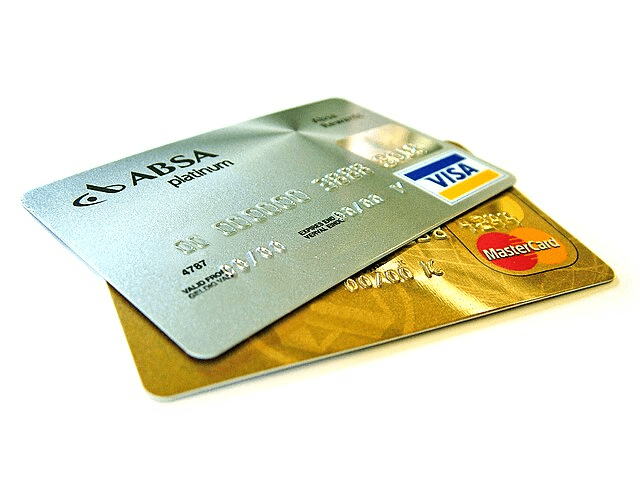
Credit cards are incredibly handy and often essential in daily life. They help with shopping, travel bookings, and even earning rewards and bonuses. But it’s not always simple—many cardholders get caught off guard by hidden fees that suddenly appear.
These charges can take a toll on your finances and, if ignored, may lead to unwelcome surprises when your bill arrives. In this post, we’ll guide you on how to identify and avoid concealed credit card fees so you can make the most of your card.
Recognize common fees you may face
To avoid surprise fees, start by understanding the usual charges linked to credit cards. Many fees can catch you off guard if you’re not aware of them.
For example, while the annual fee is widely recognized, there are other charges that depend on how you use your card, including late payment penalties, ATM withdrawal fees, or currency conversion costs when making purchases abroad.
Many of these fees aren’t explicitly mentioned during the card application process, which often surprises cardholders. For instance, late fees are fairly common but can be easily avoided by ensuring timely payments.
Carefully examine your credit card agreement
One of the best ways to avoid unexpected charges is by thoroughly reviewing your credit card contract. Although it might seem dull, understanding the details can help you identify any hidden fees or extra costs that could affect you.
The agreement usually outlines interest rates, service fees, and other possible charges from the bank, such as renewal fees or fees for balance transfers, among others.
As you go through the contract, watch for any sections mentioning fees that might surprise you or that you didn’t expect. If something isn’t clear, don’t hesitate to contact your bank or credit provider for more details.
Stay alert to payment due dates
Keeping a close watch on your billing due date is another effective way to avoid fees. Missing payments can cause high interest charges and other penalties that can be difficult to avoid.
It’s essential to monitor your payment deadlines carefully. Setting up alerts on your phone or via your bank’s app to remind you a few days before the due date can be very helpful.
If you realize you can’t pay the full balance, it’s wise to contact your lender early to discuss options before the debt grows with high interest.
Be alert to concealed fees and perks
Many people pick credit cards based on attractive rewards like cashback, travel points, or discounts from affiliated merchants.
However, it’s important to assess whether these incentives really make up for any extra fees your issuer may charge. Some appealing offers hide costs that, if ignored, can erase the benefits.
For example, a card advertising a generous cashback percentage might also impose a high annual fee or carry interest charges on balances that reduce the net gain from rewards.
Choose cards that don’t charge annual fees
A practical strategy to avoid hidden charges is opting for credit cards that don’t carry annual fees. Although these cards might not offer the highest rewards, they are a great pick for people seeking straightforward options and wanting to dodge extra costs.
Many no-annual-fee cards, such as those from American Express, still provide attractive payment terms and suit those who want to avoid fixed yearly charges.
Make it a habit to review your statements
Regularly going over your statements is one of the most effective ways to catch hidden fees early. Checking them each month helps you identify unexpected costs like late payment fees or other surprise charges.
If you notice any unusual or suspicious charges, contact your bank immediately to resolve the matter.
Closing Remarks
Avoiding hidden credit card fees requires attentiveness, good organization, and above all, a proactive approach to managing your money. Understanding common charges, thoroughly reviewing your card’s terms, monitoring due dates, and selecting the right card can help you enjoy its benefits without the worry of unexpected costs.
Finally, keeping a close eye on your finances and regularly checking your statements are essential to making sure your credit card remains a helpful financial tool—not a source of trouble.

Related Content
Pequeno resumo do post recomendado
I want to learn more * You will remain on the current website