Discovering the Main Benefits of Debt Consolidation Loans
A debt consolidation loan can be a great way to lower the interest rates on your current debts, but it’s important to fully understand all the details involved!
Debt consolidation is a widely used financial strategy in the U.S. designed to simplify payments, reduce interest charges, and ease financial stress.
A debt consolidation loan allows people to combine multiple debts into a single, manageable monthly payment, providing important advantages for those looking to better organize their finances.

This post explores the primary benefits of these loans and explains how they can be an effective tool for restoring financial balance.
What Exactly Is a Debt Consolidation Loan?
A debt consolidation loan is a type of credit designed to pay off multiple outstanding debts, such as credit card balances, personal loans, and other liabilities.
Rather than managing multiple payments to different lenders, borrowers can consolidate into a single payment, often benefiting from a lower interest rate and a set repayment plan.
1. Streamlined Payment Process
One of the primary benefits of debt consolidation loans is how straightforward they make repayments. Juggling multiple accounts with various due dates and interest rates can be stressful and confusing.
By consolidating debts, you only need to focus on a single payment each month.
This approach simplifies your financial management and reduces the risk of missing payments, which can help you avoid late charges and protect your credit rating.
2. Reduced Interest Rates
Many debts, particularly credit card balances, often come with very high interest rates, sometimes exceeding 20% annually.
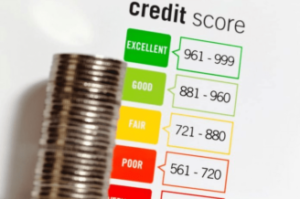
On the other hand, debt consolidation loans typically offer lower interest rates, especially if you have maintained a good credit score.
3. Set Repayment Schedule
Unlike revolving credit like credit card debt, debt consolidation loans come with fixed repayment periods. This helps you understand exactly when your debt will be cleared, making it easier to stay on top of your finances.
Setting a fixed term for your debt establishes a clear payoff date, helping you avoid being trapped in an ongoing cycle of debt repayments.
4. Improved Credit Score
Combining your debts can have a favorable effect on your credit score. Reducing high credit card balances lowers your credit utilization ratio, which plays a crucial role in your overall credit rating.
Additionally, regularly paying off your new consolidated loan builds a stronger credit history, gradually enhancing your financial trustworthiness.
5. Reduced Financial Stress
Juggling multiple debts can be mentally draining, especially as the number of bills starts to pile up.
A debt consolidation loan can reduce this stress by organizing your finances into one manageable payment, easing the pressure of tracking various deadlines and lenders.
Having fewer financial worries lets you focus more on important parts of your life while you work towards your money goals.
6. Savings in Time and Effort
Beyond making payments simpler, debt consolidation helps you save valuable time and energy by reducing the hassle of managing multiple accounts.
You won’t have to keep track of multiple due dates, which lowers the risk of errors that might cause extra charges or harm your credit score.
7. Better Negotiation Opportunities with Creditors
By consolidating your debts—especially if secured—you may gain leverage to negotiate more favorable terms with your lenders.
This could include lengthening repayment schedules or securing lower interest rates tailored to your ability to pay.
Key Factors to Weigh Before Taking a Debt Consolidation Loan
Although the benefits are clear, it’s important to consider several factors before choosing a debt consolidation loan:
- Financial Discipline: Merging debts alone won’t solve poor spending habits. It’s vital to review your budget and plan to avoid accumulating new debt.
- Additional Costs: Many loans come with origination fees and other charges that increase the total repayment amount. Always examine the terms carefully.
- Collateral Risks: Secured loans, such as those backed by property, carry the risk of losing the asset if payments aren’t made.
Alternatives to Debt Consolidation
If a consolidation loan doesn’t suit your needs, there are other viable options to explore:
- Debt Management Programs: Nonprofit organizations can assist in renegotiating debts and setting up manageable payment plans.
- Balance Transfers: Some credit cards offer introductory rates for transferring balances, often with low or no interest initially.
- Direct Negotiation: Contacting creditors directly to discuss modified terms or payment schedules can be effective.

Conteúdo Recomendado
Understanding Payday Loan Risks
Payday loans can offer quick access to small funds, but it’s essential to approach them carefully.nn
Continuar Lendo * You will be directed to an external website