
Explore easy ways to quickly improve your credit score with proven tips
Effective Strategies to Improve Your Credit Score
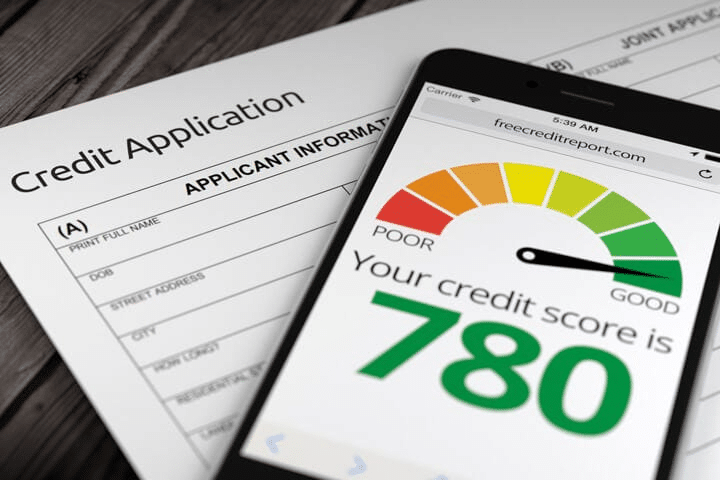
Have you considered how your credit score impacts your financial life? Whether you’re applying for a loan, making purchases on credit, or looking for better rates, a healthy credit score opens many doors.
Don’t worry about raising your credit score—it’s easier than it seems. By adopting straightforward, practical habits daily, you can see real progress. This post shares handy tips to help you boost your credit rating. Let’s get started!
How to Raise Your Credit Score
If you’ve struggled to get credit cards or loans, you know how important a strong credit score really is.
The good news is that improving your credit score is simpler than you might expect! By making a few easy adjustments to your financial routine, you can raise your score and gain more flexibility to reach your goals.
1. Pay Your Bills on Time
It may sound simple, but many people still miss payments, which can hurt their credit scores. Even small delays in paying bills can cause your score to decline.
Credit bureaus monitor your payment record, and this factor significantly impacts your score. Make sure to pay your bills promptly to maintain a good standing!
Try setting up phone alerts or automated payments to avoid missing due dates, helping you keep your credit score in good shape.
2. Control Your Spending and Steer Clear of Credit Card Debt
Credit cards remain a widely used credit tool, and handling them responsibly can greatly improve your credit rating. Try to keep your balance under 30% of your available credit limit.
Going over this threshold could damage your score since it may indicate financial strain. Additionally, avoid paying only the minimum balance; although it might ease cash flow short-term, it leads to accumulating interest and can negatively impact your finances in the long run.
3. Pay Off All Outstanding Debts
Eliminating any existing debts you have is among the most important actions you can take to improve your credit score.
Clearing your debts not only reduces their negative impact on your credit rating but also helps restore confidence with lenders.
If you owe a large amount, try discussing a payment arrangement with your creditor. This often allows you to pay off debts in manageable installments while protecting your credit score from further damage.
4. Extend Your Credit History Length
Your credit score takes into account the duration of your relationship with lenders and financial institutions.
Keeping accounts or credit cards open and managing them responsibly over a long period can greatly improve your score, as lenders favor customers with a lengthy, stable credit history.
Exercise caution when opening new accounts or applying for credit cards. Rapidly opening several accounts can reduce your score by indicating financial instability.
5. Make use of your positive credit history
Lenders can review your good payment practices alongside any outstanding debts if you have a strong credit record. Consistently paying bills on time can boost your credit rating.
Being listed on the positive register is an excellent advantage for those with reliable payment histories but lower scores. Ensure you’re registered to highlight your commitment to prompt payments.
6. Monitor your credit score regularly
Monitoring your credit score regularly is essential to determine if your efforts are paying off.
Several platforms offer free credit score monitoring, allowing you to track your progress and maintain direction.
Watch your score closely to identify what’s working well and where adjustments might be needed.
7. Practice patience and stay consistent
Raising your credit score is a gradual process. Success comes from steady, patient effort over time.
Your credit score can gradually get better. By consistently paying your bills on time, controlling your expenses, and reducing your debts, you’ll see improvement. Remember, starting this process is the crucial first step toward financial progress.
Raising your credit score may feel overwhelming at first, but with effective techniques, you can improve your rating and build a more stable financial future.
By changing your financial habits—such as paying bills promptly, using credit cards wisely, and clearing debts—you’ll be moving forward on the right path.
In the end, maintaining a strong credit score requires dedication and steady effort, but the benefits are well worth it. Begin today and enjoy the advantages of a solid financial standing!

Related Content
Pequeno resumo do post recomendado
I want to learn more * You will remain on the current website