
Easy Ways to Build an Emergency Fund: Discover Key Tips
Steps to Establish Your Emergency Fund
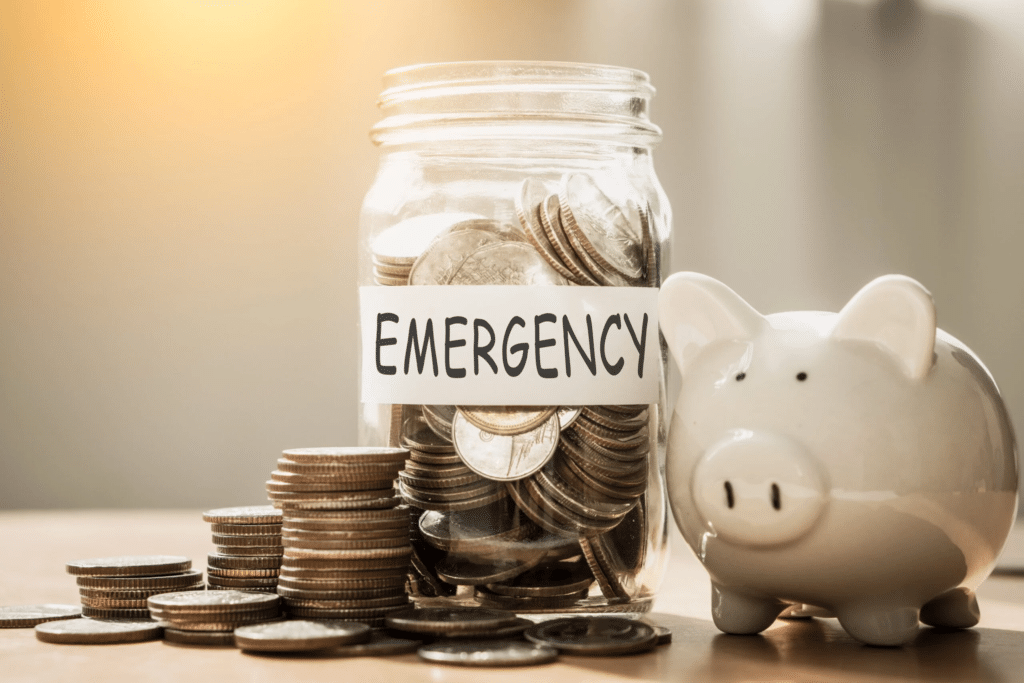
Have you thought about how you would handle a sudden financial setback if it struck today? Whether it’s an unexpected bill, a medical emergency, or a work-related crisis, setting up an emergency fund can provide the crucial support you need.
There are several ways to allocate your money to build a reliable safety cushion. Interested in discovering more? This guide offers key insights to help you start your path toward greater financial security and peace of mind.
Why an Emergency Fund Matters
Maintaining an emergency fund serves as a vital financial buffer. It protects you from sudden expenses and helps you avoid borrowing or depending on credit cards, which can lead to deeper financial difficulties.
In addition, having an emergency fund helps you navigate unexpected challenges more smoothly, reducing anxiety when sudden situations occur.
How Much Money Should I Save?
When starting your emergency fund, a key question is how much you need to put aside. A widely recommended target is to save enough to cover three to six months of your necessary living costs.
This amount should include basic expenses such as rent, food, transportation, fixed bills, and other essential costs. Don’t be discouraged if you can’t save this all at once! The important thing is to begin with manageable amounts and build up over time.
If your earnings fluctuate or you support dependents, aiming for the higher end—saving six months’ worth—might be wise. On the other hand, if your income is steady, having a fund covering three months could be enough.
Top Places to Store Your Emergency Savings
With your savings goal set, the next step is choosing where to keep your money. It should be accessible enough for emergencies but not so handy that you’re tempted to dip into it unnecessarily.
Consider options like savings accounts or low-risk investments such as CDBs with daily liquidity. These allow quick access to your funds while offering modest earnings that help preserve your emergency fund’s value over time.
Avoid investments that require locking your money in for long periods or carry higher risks, like stocks, to keep your emergency savings safe and accessible.
The key to an emergency fund is ensuring it stays secure and can be accessed immediately when the need arises.
What steps can you take to start your emergency fund?
Many people feel daunted by how much they believe they need to save for emergencies. The positive side is that you can start with a small amount and steadily build it up over time.
Try to put aside a fixed sum each month, like R$100 or R$200, and treat it as a priority. The sooner you start, the faster your emergency savings will grow.
It’s smart to allocate this amount right when you get paid, before paying other bills or spending on non-essentials. Doing so helps your emergency fund grow consistently, reducing the risk of using it for other expenses.
How should I manage my emergency fund if I have outstanding debts?
When managing debt, focus on paying off those with the highest interest rates first. This approach frees up more money you can put toward building your emergency fund.
Remember, setting up an emergency fund doesn’t mean you should stop paying down your debts; it’s about creating a financial buffer to avoid accumulating more debt later.
Ways to keep your emergency fund in good shape
- Review your fund regularly: As your financial situation changes, it’s important to update your emergency savings. Raises or new expenses might mean saving more;
- Don’t dip into it for everyday costs: Although tempting, your emergency fund should only cover unexpected events. Avoid using it for routine or planned spending;
- Maintain discipline: Consistency is key for a strong emergency fund. Even if you occasionally add extra, keep contributing a steady amount to stay on track.
Starting an emergency fund might feel intimidating initially, but with persistence and planning, it becomes a crucial foundation for your financial security.
The most important step is to start, even if it’s only a small contribution at first. The peace of mind it brings is priceless. Gradually, you’ll see how this fund strengthens your ability to manage unforeseen events and face them with greater assurance.

Related Content
Pequeno resumo do post recomendado
I want to learn more * You will remain on the current website